The Jaffa orange is sold as one of Israel's oldest brands. It is older than the State of Israel by about a century, and for most of that century it was bred, grown and shipped by Palestinians.
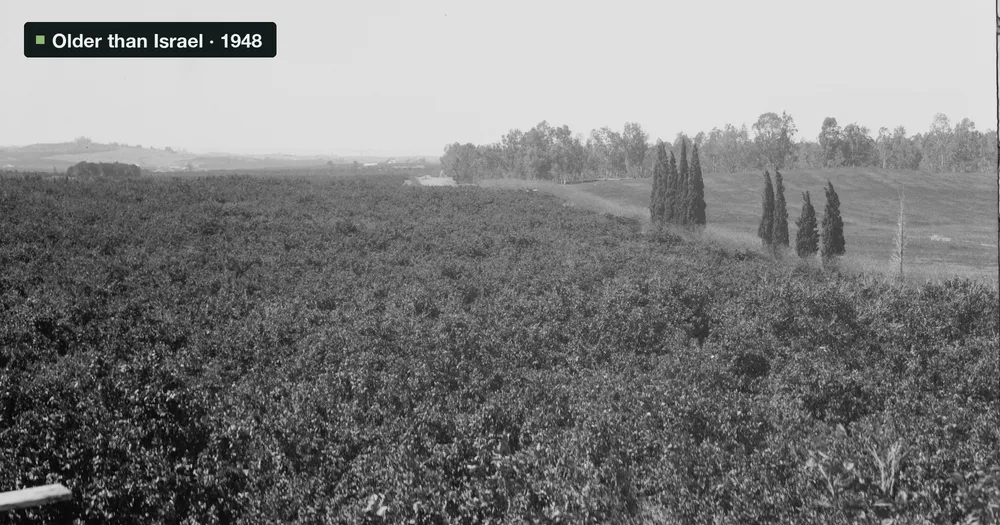
The fruit began as a mutation on a local baladi orange tree in the groves around Jaffa in the 1840s. Palestinian Arab growers propagated it and called it the Shamouti. It had a thick skin, few seeds and sweet flesh, and it travelled well, which mattered more than anything once steamships could reach Europe in days rather than weeks.
British consular reports record Jaffa oranges reaching European markets in the 1850s. Exports grew from about 200,000 oranges in 1845 to 38 million in 1870. By the end of the century they were being served on Queen Victoria's table.
Under the British Mandate citrus became Palestine's biggest export. Jewish growers bought into the groves from the 1920s onwards, and between the world wars Arab and Jewish growers each held roughly half of the orchards. By 1939 the groves covered about 30,000 hectares and employed more than 100,000 people. During the Second World War, Arab production again overtook Jewish production.
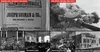
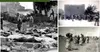
The workers who wrapped each orange in paper, packed the crates and loaded them onto boats at Jaffa port were overwhelmingly Palestinian. So were the families who had planted the oldest groves.
In the spring of 1948, Jaffa was besieged and shelled by Zionist forces. Most of its roughly 70,000 Palestinian residents fled or were driven out, many by sea. Across the coastal plain, the villages around the groves were emptied too.
Arab-owned groves were taken by the new state. The citrus industry was then retold as a pioneering project of the Labour movement and the kibbutz, with the Palestinians who built it written out. The Jaffa label, which had been on crates for decades, became an Israeli state brand and a symbol of the new country abroad. The 2009 documentary Jaffa, the Orange's Clockwork traced how the same fruit became an emblem of Zionism for one people and of the lost homeland for the other.
For Palestinians the orange became a symbol of everything taken in the Nakba. Ghassan Kanafani's 1958 story The Land of Sad Oranges follows a family leaving Jaffa's groves, carrying a single orange into exile.
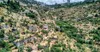
The Jaffa orange that made the brand is now hard to find. Water shortages, rising land values and cheaper competition have hollowed out citrus farming in Israel. National Geographic found Chaim Tzehori, then 87, among the last growers of the Shamouti, with about 400 trees on two acres in the north.
The name is still on fruit in European supermarkets. Most of it no longer comes from Jaffa, and none of it comes from the families who first grew it.
The Jaffa orange is about 103 years older than the State of Israel.